Palestinian culture is rich, resilient, and deeply tied to history, land, and identity. Many symbols, traditions, and artistic expressions carry profound meaning for Palestinians worldwide. Understanding them helps foster solidarity and appreciation for the community and its heritage.
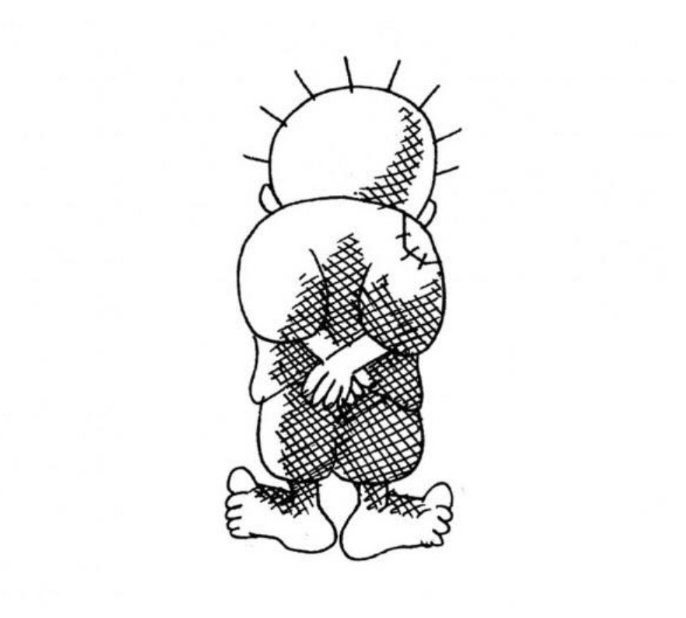
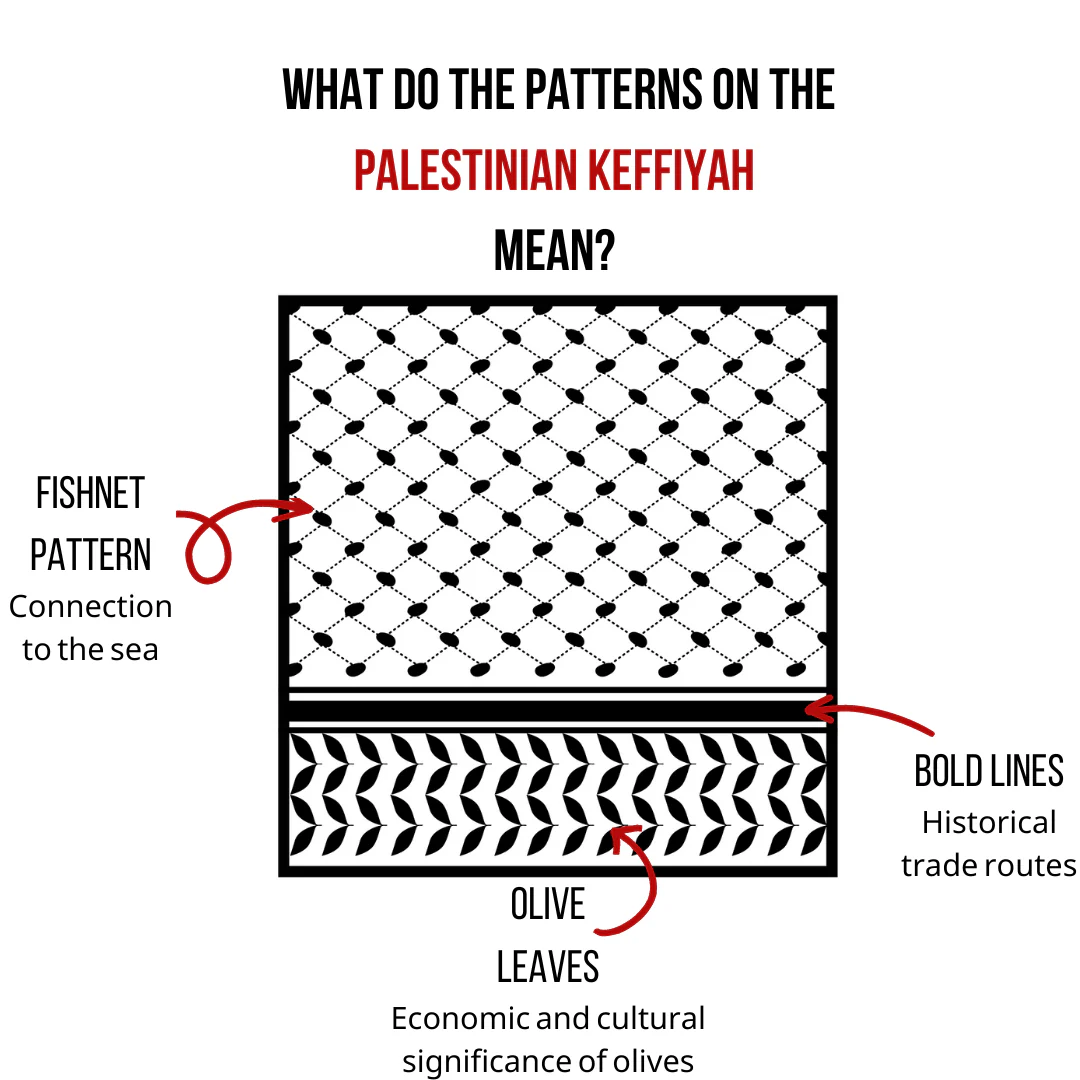
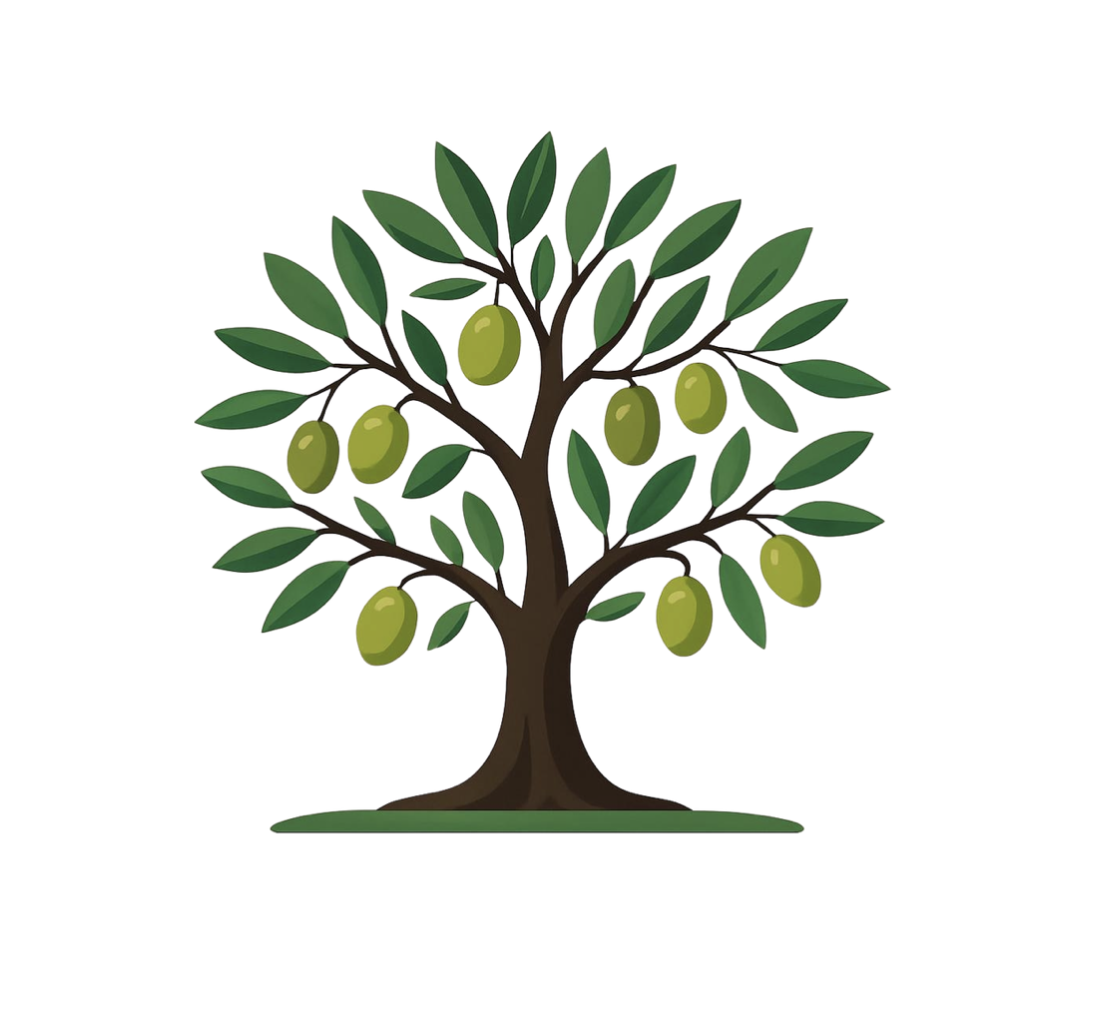
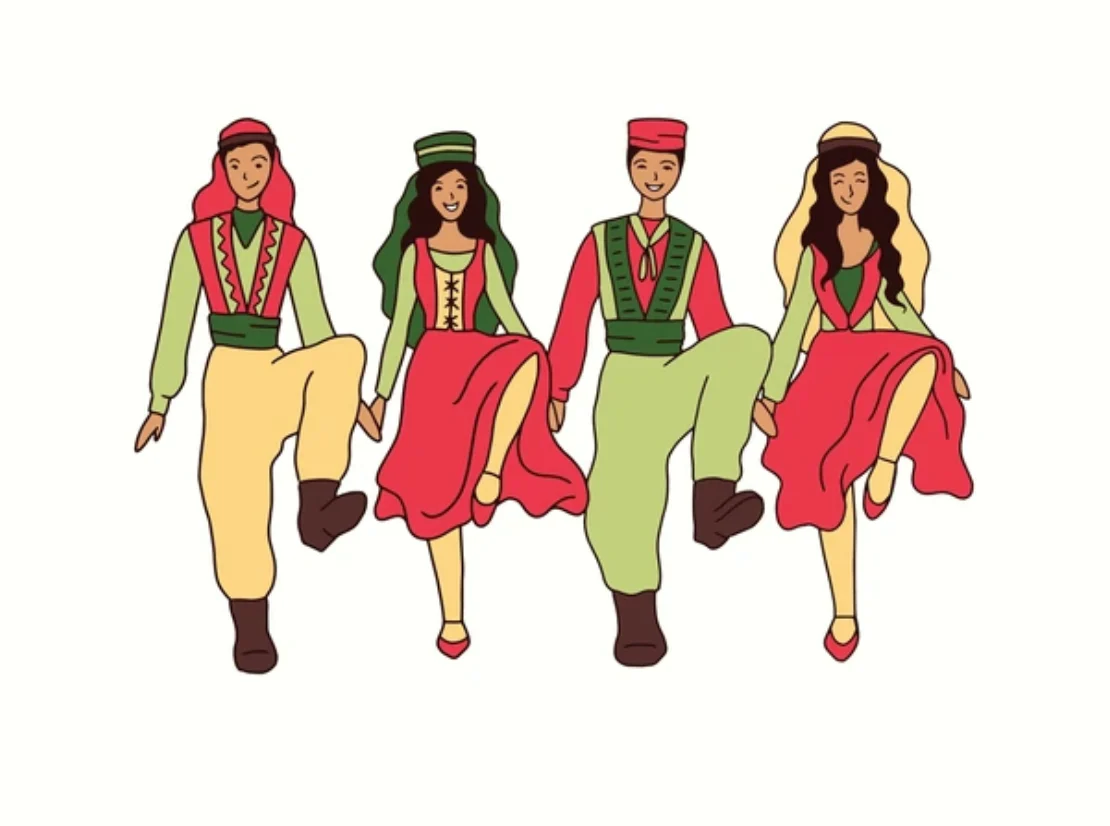
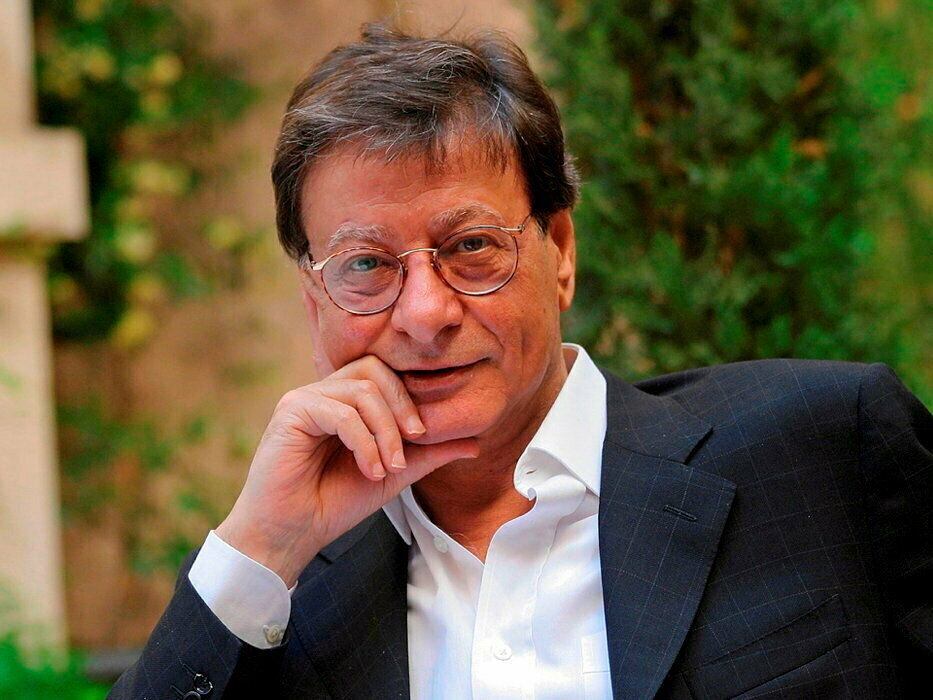
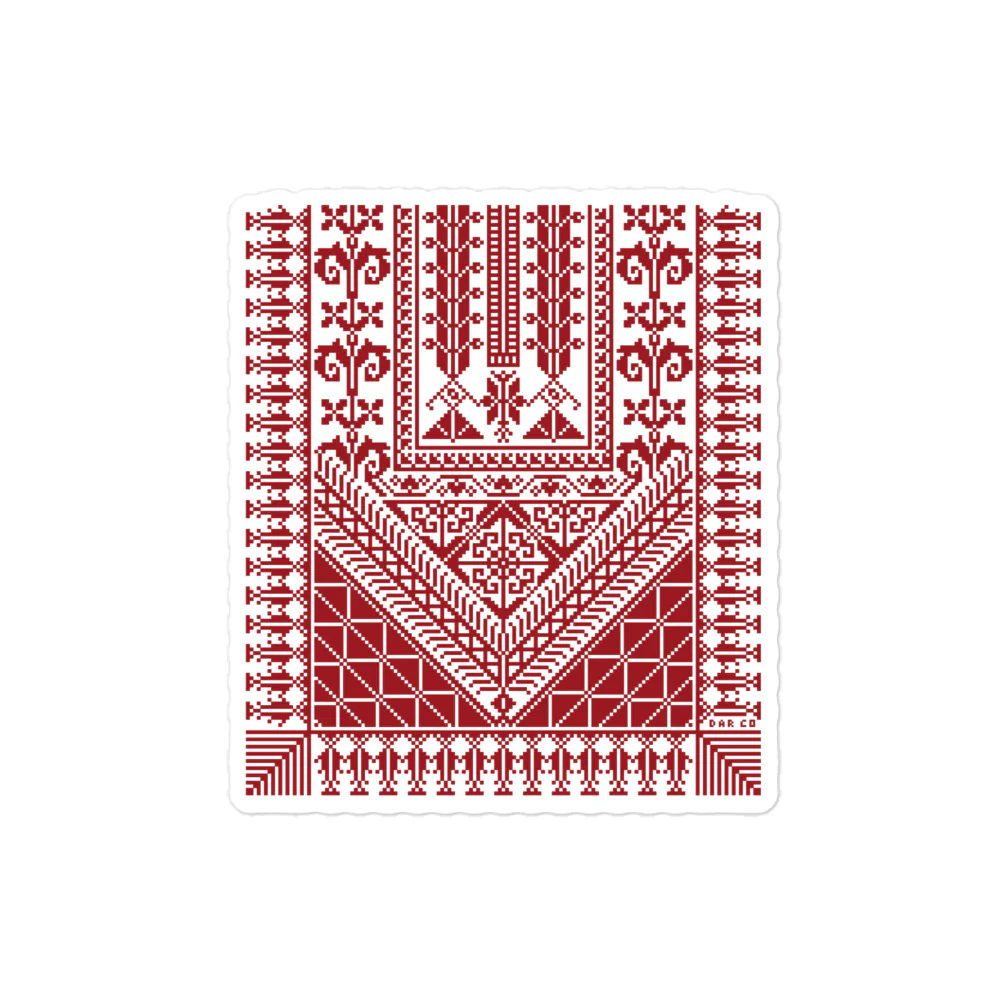
The watermelon has become a symbol of resistance and national identity. During the occupation, colors of the Palestinian flag were banned in public displays. Today, it represents creativity, resilience, and the struggle for freedom.Handala is a cartoon character created by Naji al-Ali, depicting a ten-year-old boy with his back turned. Symbolizes refugee identity, resistance, and the unchanging stance of Palestinian refugees.The kuffiyeh is a traditional black-and-white checked scarf. Once worn by farmers, it became a symbol of resistance, solidarity, pride, and cultural heritage.Olive trees symbolize rootedness, steadfastness, and connection to the land. Olive harvesting is a family and community tradition, making them a symbol of resilience and continuity.Dabke is a traditional Palestinian folk dance performed at weddings, festivals, and community gatherings. Represents unity, joy, and cultural continuity despite displacement.Mahmoud Darwich (1941–2008) is one of Palestine’s most celebrated poets. His poetry captures exile, loss, love of homeland, and national identity.Tatreez is traditional Palestinian embroidery. Patterns vary regionally, telling a story of family, village, and heritage. Symbolizes female creativity, cultural memory, and identity preservation.